You understand every word but freeze when it's your turn to speak? At ECOS Cartagena, expert teachers turn understanding into fluency.
Picture this: you're sitting in a rooftop café in Getsemaní, Cartagena. The evening air smells like jasmine and fried plantain. A woman at the next table laughs, leans toward her friend, and says something in rapid, musical Spanish.
You hear every single word. You understand the joke. You even think of a perfect reply.
But when she looks at you, curious, warm, waiting, your mind just goes blank.
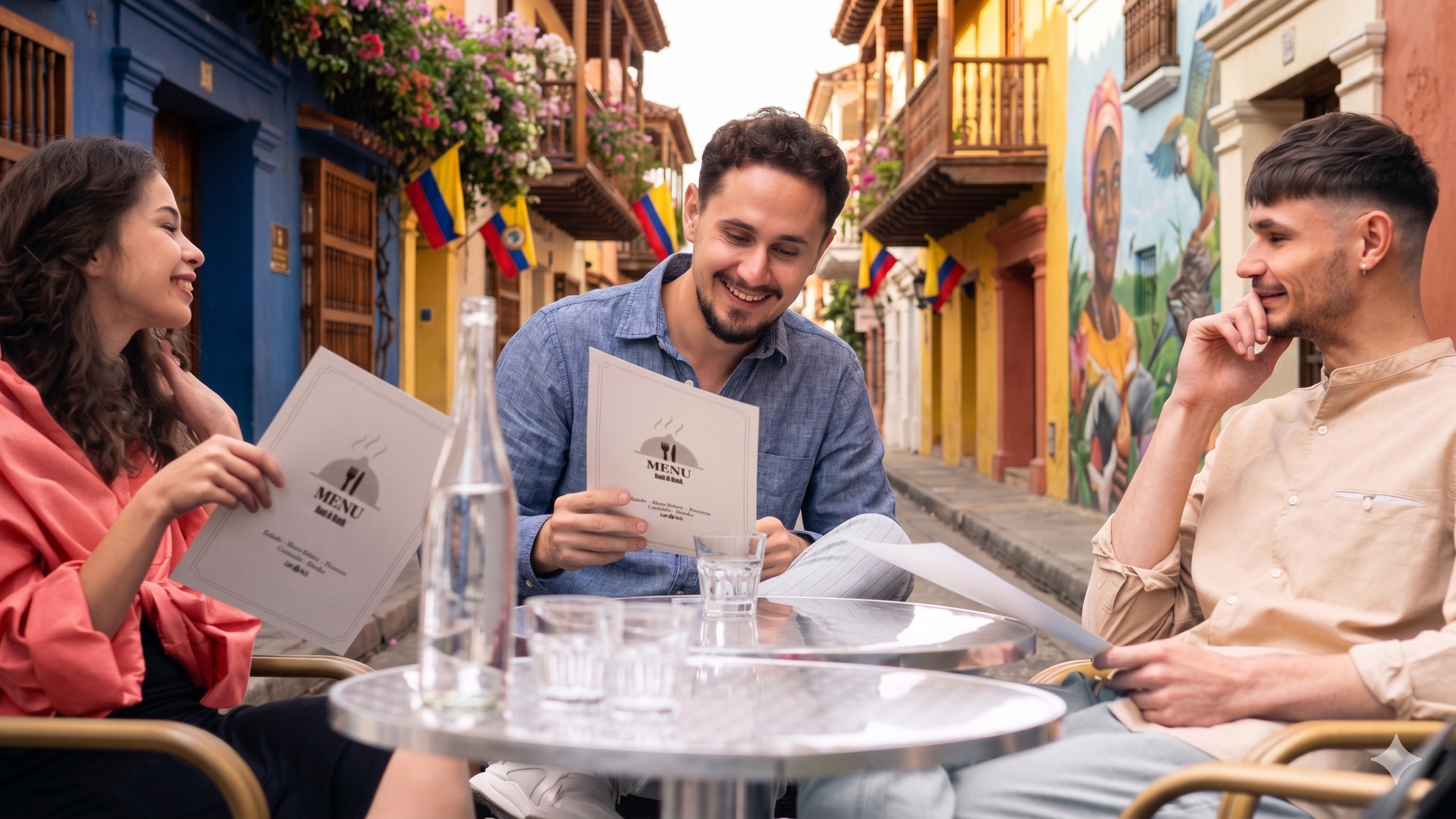
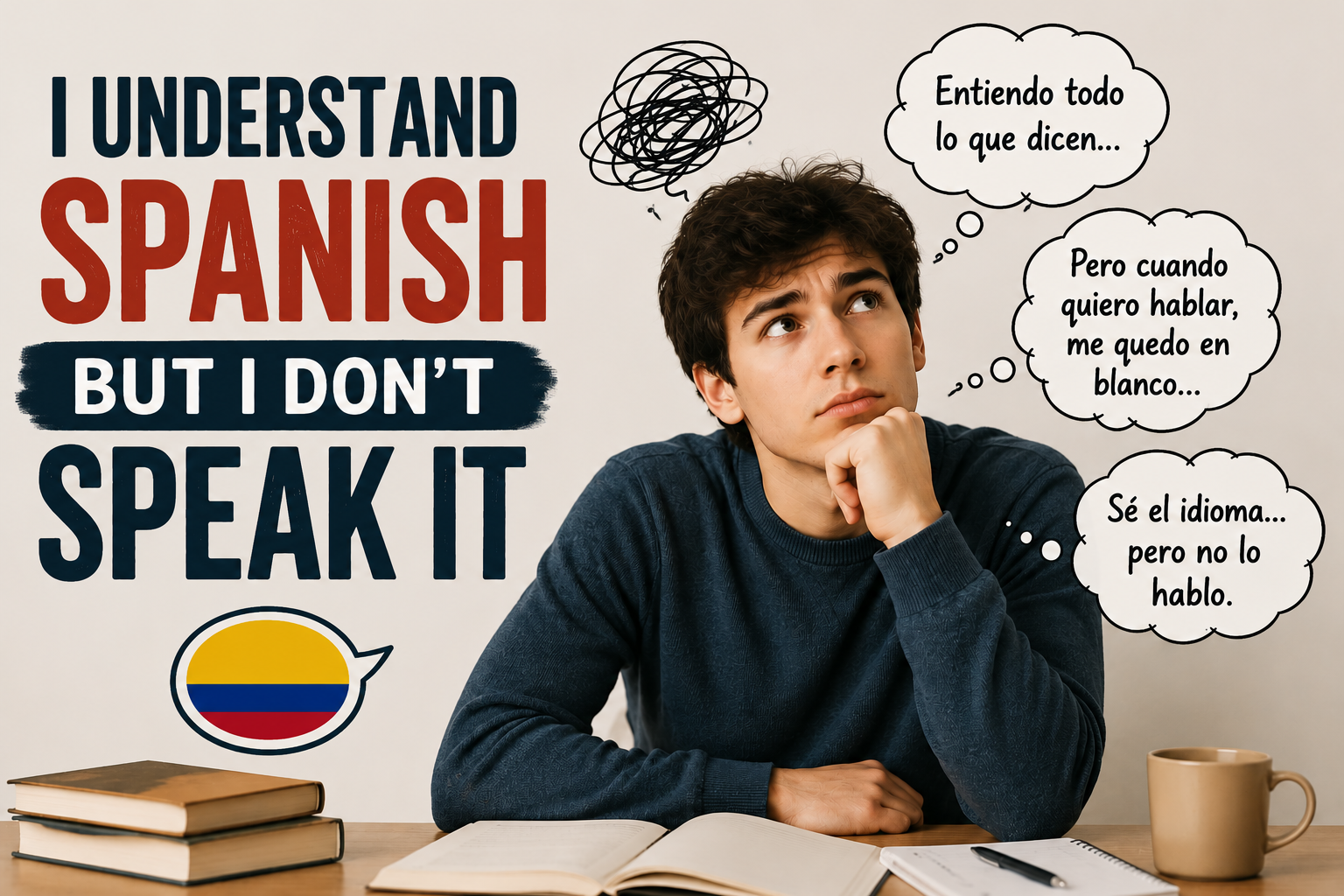
You've been studying Spanish for years. You understand podcasts, songs, even fast conversations. But you still can't speak it. Not really. Not when it matters.
Understanding a language and speaking it are two completely different skills, and most courses only teach you one of them.
If this is you, you're experiencing one of the most common and most frustrating gaps in language learning. And there's a reason it happens, and a very specific way to fix it.
The silent prison: When your brain knows but your mouth won't move
You are not bad at Spanish. Your brain has simply been trained to receive the language, not to produce it. There's a name for this: the gap between passive competence (understanding) and active fluency (speaking).
🎧 You understand everything you hear
Podcasts, music, even fast native speakers. Your comprehension is solid. But producing words is another story.
😶 You freeze under pressure
In real conversations, anxiety takes over. You search for the perfect sentence and say nothing at all.
📚You know the grammar rules
Subjuntivo, ser vs. estar, irregular verbs; you've studied them all. But they don't appear when you need them.
💬 You translate in your head first
Every sentence goes through your native language first. By the time it's ready, the moment is gone.
The science behind passive vs. active language skills
Neuroscience calls it the input-output gap: your brain has spent years building a rich library of Spanish sounds, grammar, and vocabulary through listening, but speaking uses a completely different set of motor and cognitive pathways, ones that only strengthen through actual production. Without consistent speaking practice, that library stays locked, no matter how many episodes or podcasts you understand.
Why does your brain do this?
Neuroscientists distinguish between two language systems in the brain: receptive processing, the network activated when you read or listen, and productive processing, the network activated when you speak or write.
Passive learning (watching shows, reading, even traditional grammar classes) strengthens only the receptive network. But fluent speech requires activating and automating the productive network. This only happens through one thing: real, high-frequency, real-time speaking practice in contexts that feel authentic and low-stakes enough to let you experiment.
Most language schools promise immersion but deliver lectures. The environment never activates your productive system. That's the real problem, not your ability.
Why do traditional methods keep you stuck?
Most people who understand Spanish but can't speak it have done everything "right." They've taken courses. They've used apps. They've watched hours of content. Yet here they are.
This might interest you: Spanish Immersion in Colombia
The reason is structural: traditional language courses optimize for testing, not for transformation. They measure whether you can identify the right answer, not whether you can hold a conversation about your life, your work, or your dreams with a stranger at a Caribbean market.
Michael Becker from Swiss, described it perfectly before arriving at ECOS: "Today, February 20, 2026, marks the end of my stay at ECOS Language School, and I enjoyed it so much! I learned a great deal and got to experience the country, its people, and its culture from a completely different perspective".
Spoanish Student from ECOS, 2026.
Read more reviews like Michael's here https://share.google/foSohvvCKja8yaMfi
The ECOS method: immersion that breaks the silence
ECOS Spanish and English School in Cartagena de Indias was built around a single belief: you don't learn to speak Spanish by studying Spanish. You learn to speak it by living it.
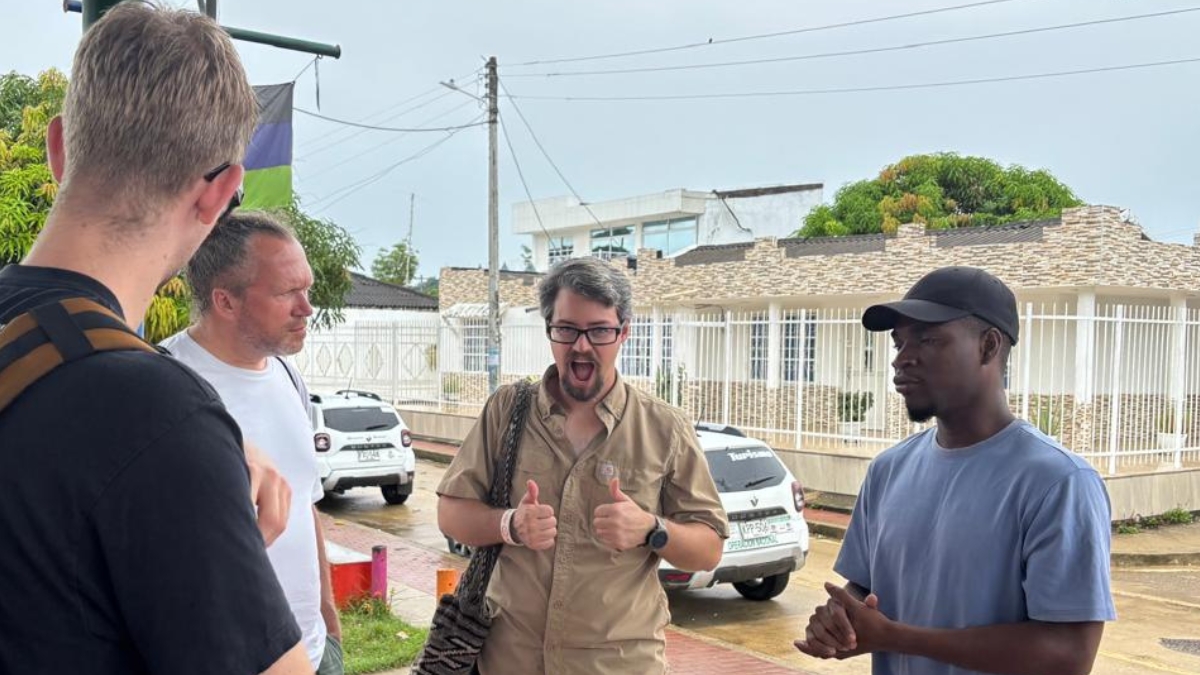
International ECOS student´s speaking Spanish with a guide at Cartagena's street, Colombia.
That means classes designed around conversation, not repetition. It means teachers who understand the psychology of language anxiety. And it means a city that becomes your classroom the moment you step outside.
Shannon Millikin, from the United States,"This school provides everything a traveling student could want - new facilities, a variety of cultural immersion experiences and opportunities to connect, a great location, incredibly helpful and capable staff, and most importantly, high quality Spanish classes".
Spanish Student from ECOS, 2019.
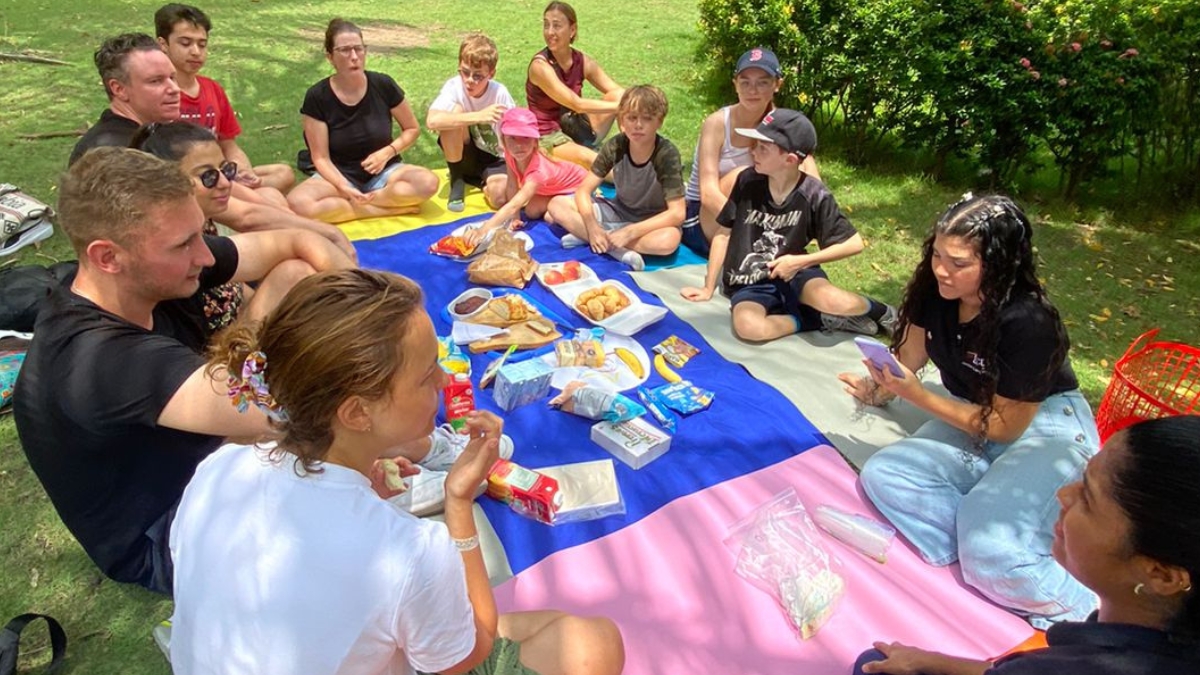
ECOS Spanish teachers using communicative methodology with international students in Cartagena
Cartagena as your classroom
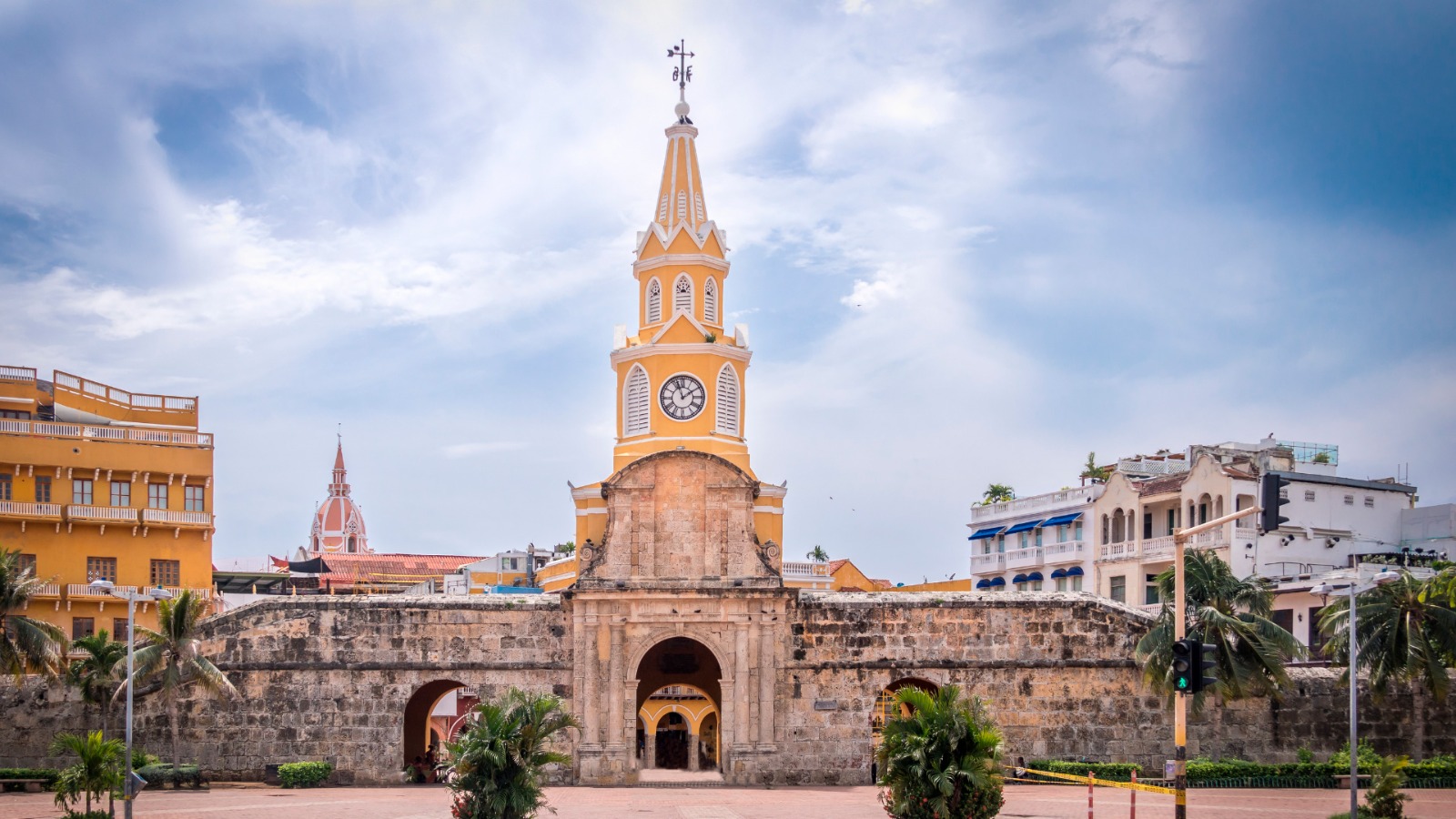
Academic immersion doesn't end when class is over, at ECOS, the whole walled city of Cartagena becomes part of your learning community.
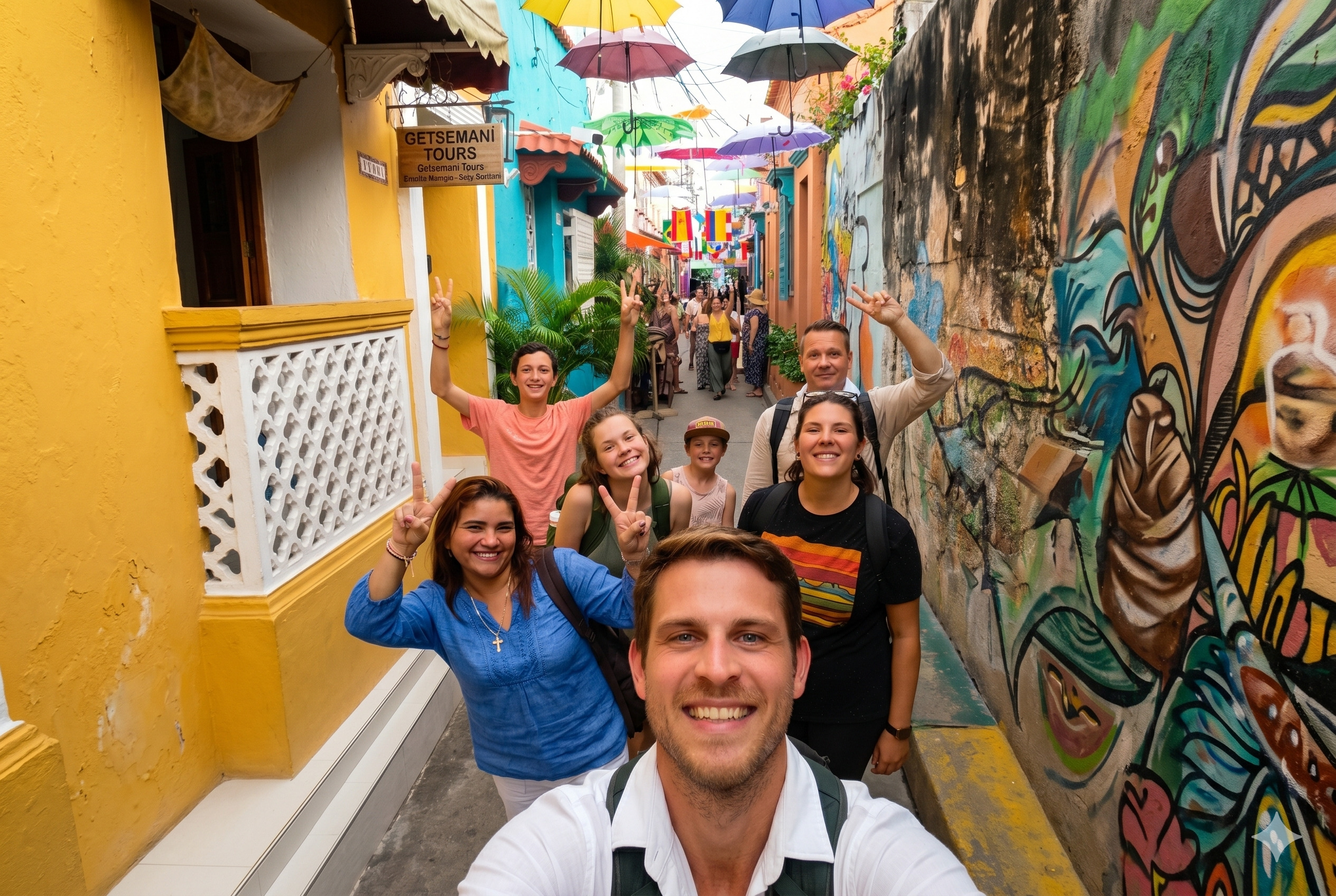
Students immersed in Spanish during cultural walk in Getsemaní neighborhood, Cartagena de Indias.
Cartagena offers the ideal setting for language immersion thanks to its vibrant Caribbean culture, walkable historic center, welcoming atmosphere, and real opportunities to communicate in Spanish every day.
Your Spanish lives in the streets, the markets, the sea.
ECOS designs cultural activities that force your productive language skills into action, because nothing trains fluency like actually needing to communicate.
👉 Benefits of our interactive Spanish classes:
- You lose the fear of speaking
- You learn real, everyday vocabulary
- You practice with people from all over the world
- You build fluency without pressure
- You experience Spanish outside the classroom
Spanish Courses in Cartagena, Colombia
ECOS offers intensive Spanish programs from 1 to 12 weeks, with morning academic sessions and afternoon cultural immersion. Our programs are internationally certified, including EAQUALS certification and recognition under Germany's Bildungsurlaub program, making your time here eligible for educational leave in many European countries.
You don't have to keep watching from the sidelines of a conversation. The table in that rooftop café in Getsemaní still has a seat for you. This time, you'll have something to say. Backed by EAQUALS certification, that confidence rests on a methodology as rigorous as it is warm.
Stop understanding.
Start speaking.
Join students from Germany, Switzerland, the US, and 40+ countries who arrived silent and left fluent. Cartagena is waiting. So is your Spanish.
Comments 0
Sé el primero en comentar este artículo.
Leave a comment