You watch telenovelas, understand every word — but freeze when it's your turn to speak. At ECOS Spanish School in Cartagena, Colombia, our expert teachers turn passive understanding into confident fluency. Enroll now
Picture this: you're sitting in a rooftop café in Getsemaní, Cartagena. The evening air smells like jasmine and fried plantain. A woman at the next table laughs, leans toward her friend, and says something in rapid, musical Spanish. You hear every single word. You understand the joke. You even think of a perfect reply.
But when she looks at you — curious, warm, waiting — your mind just goes blank.
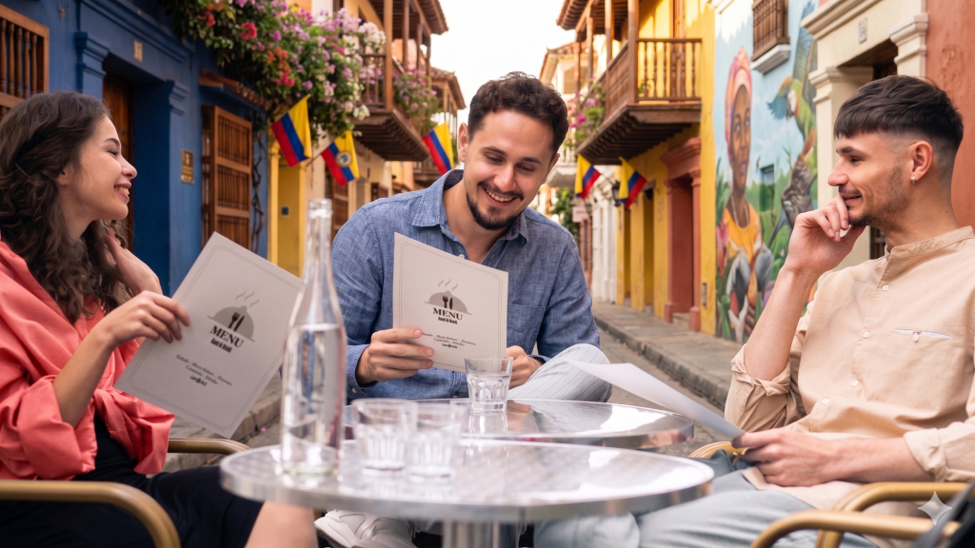 Student experiencing language block trying to speak Spanish — passive vs active fluency
You've been studying Spanish for years. You understand podcasts, songs, even fast conversations. But you still can't speak it. Not really. Not when it matters.
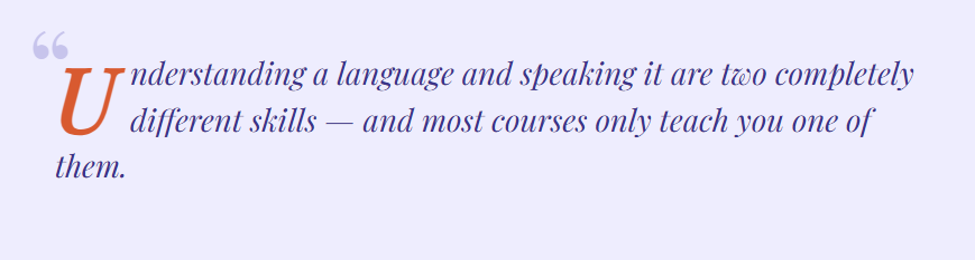
If this is you, you're experiencing one of the most common and most frustrating gaps in language learning. And there's a reason it happens — and a very specific way to fix it
The silent prison: When your brain knows but your mouth won't move
You are not bad at Spanish. Your brain has simply been trained to receive the language — not to produce it. There's a name for this: the gap between passive competence (understanding) and active fluency (speaking).
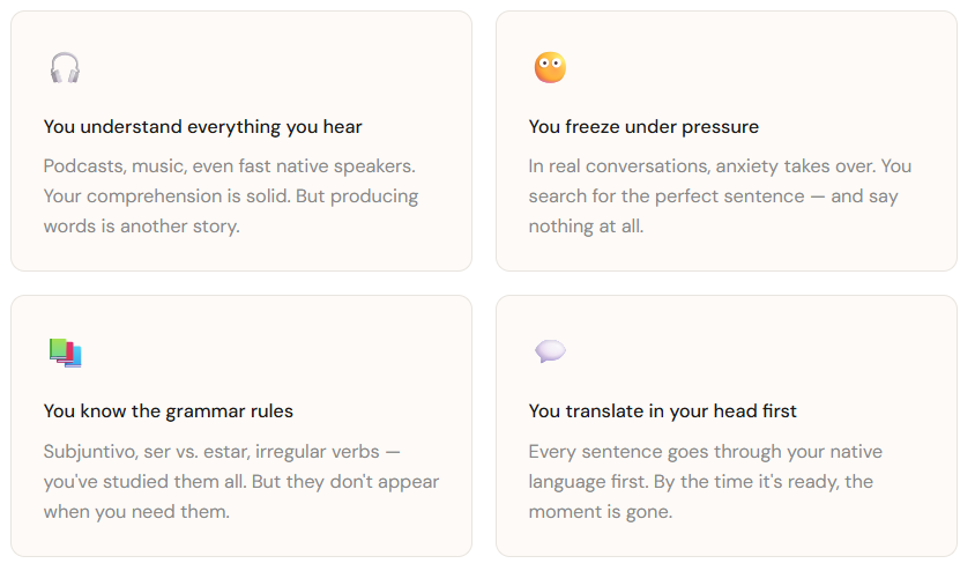
The science behind passive vs. active language skills
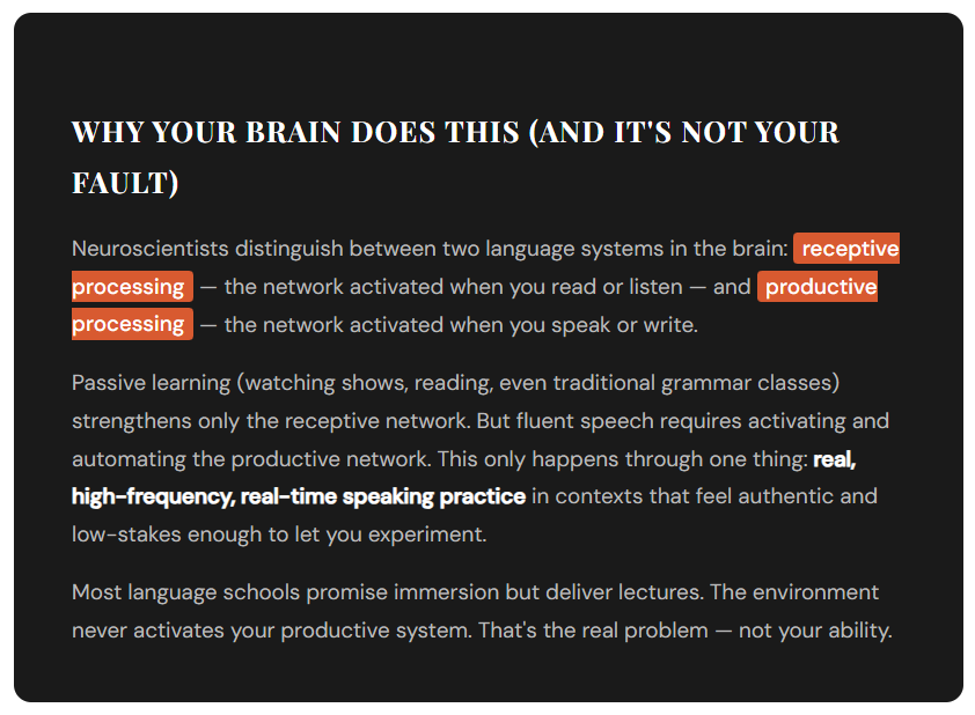
Why traditional methods keep you stuck
Most people who understand Spanish but can't speak it have done everything "right." They've taken courses. They've used apps. They've watched hours of content. Yet here they are.
This might interest you: Spanish Inmmersion in Colombia
The reason is structural: traditional language courses optimize for testing, not for transformation. They measure whether you can identify the right answer — not whether you can hold a conversation about your life, your work, or your dreams with a stranger at a Caribbean market.
The reason is structural: traditional language courses optimize for testing, not for transformation. They measure whether you can identify the right answer — not whether you can hold a conversation about your life, your work, or your dreams with a stranger at a Caribbean market.
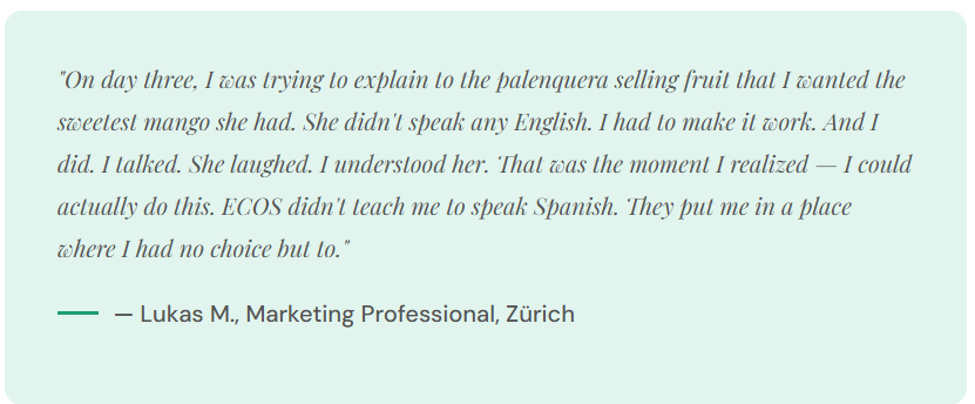
The problem wasn't Lukas. The problem was a system designed to fill classrooms, not produce confident speakers.
The ECOS method: immersion that breaks the silence
ECOS Spanish and English School in Cartagena de Indias was built around a single belief: you don't learn to speak Spanish by studying Spanish. You learn to speak it by living it.
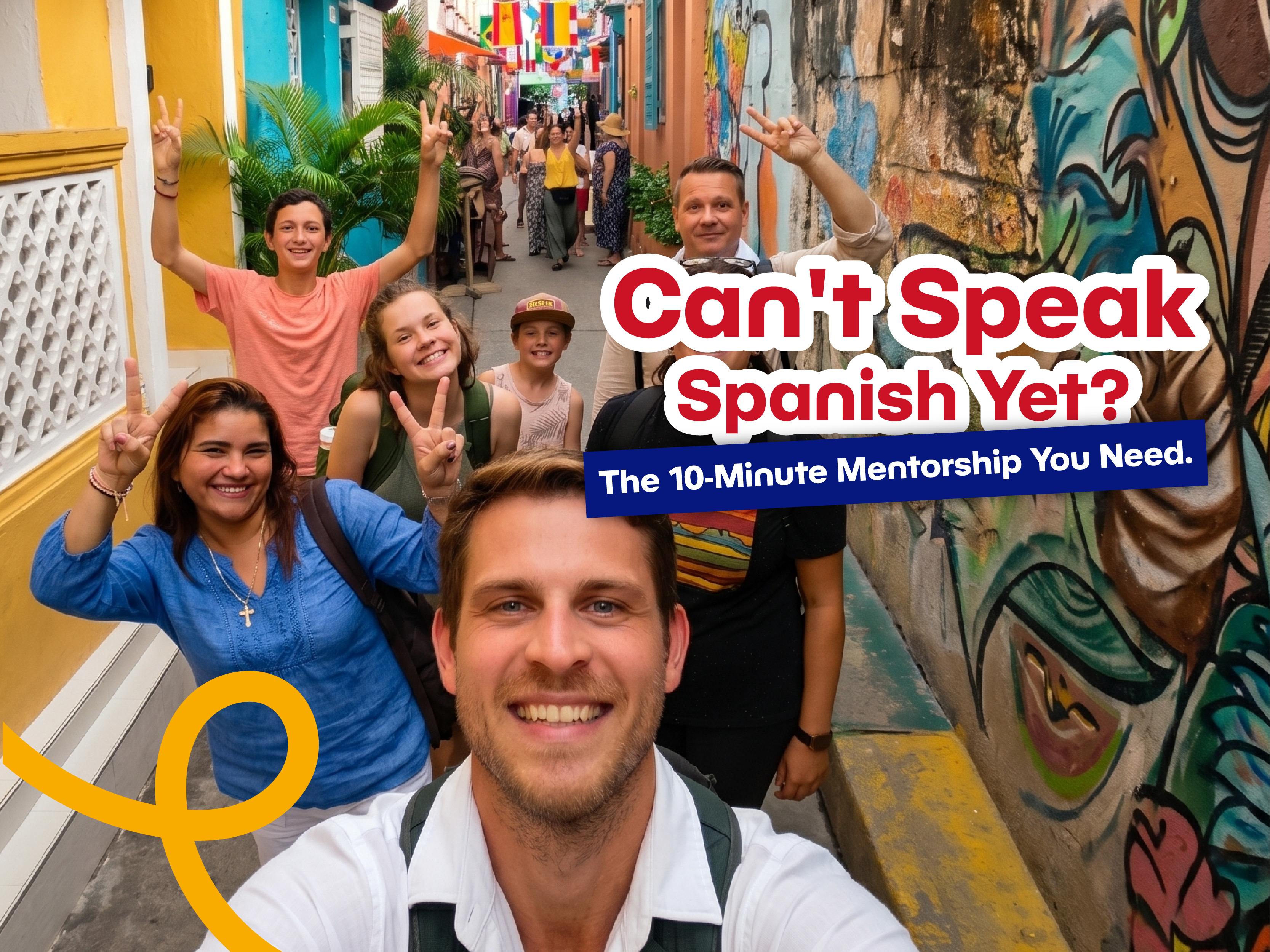
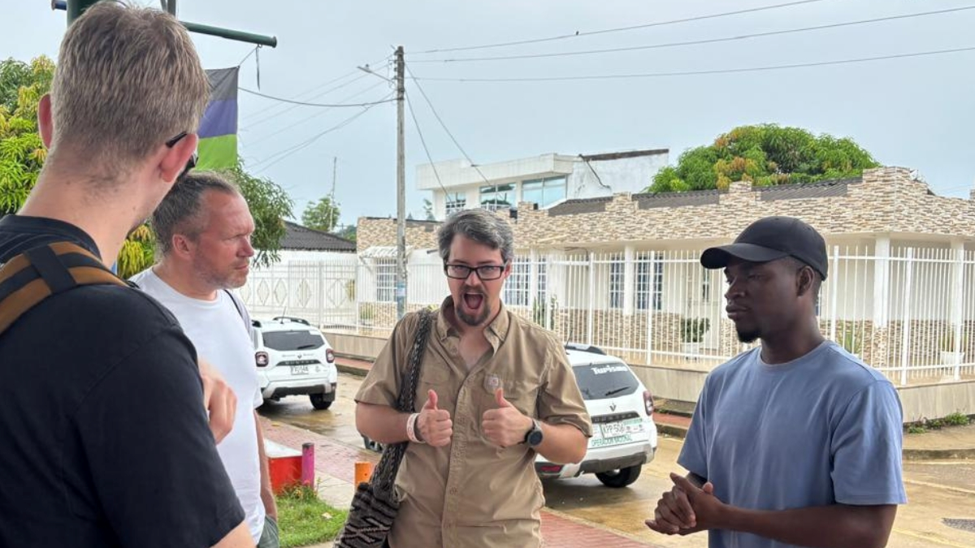 International ECOS student´s speaking Spanish with a guide at Cartagena's street, Colombia.
That means classes designed around conversation — not repetition. It means teachers who understand the psychology of language anxiety. And it means a city that becomes your classroom the moment you step outside.
Shannon Millikin:
“This school provides everything a traveling student could want - new facilities, a variety of cultural immersion experiences and opportunities to connect, a great location, incredibly helpful and capable staff, and most importantly, high quality Spanish classes."
This might interest you: testimonials about ECOS Spanish and English School here https://g.page/r/CZjNwfBSIbjyEAE/review
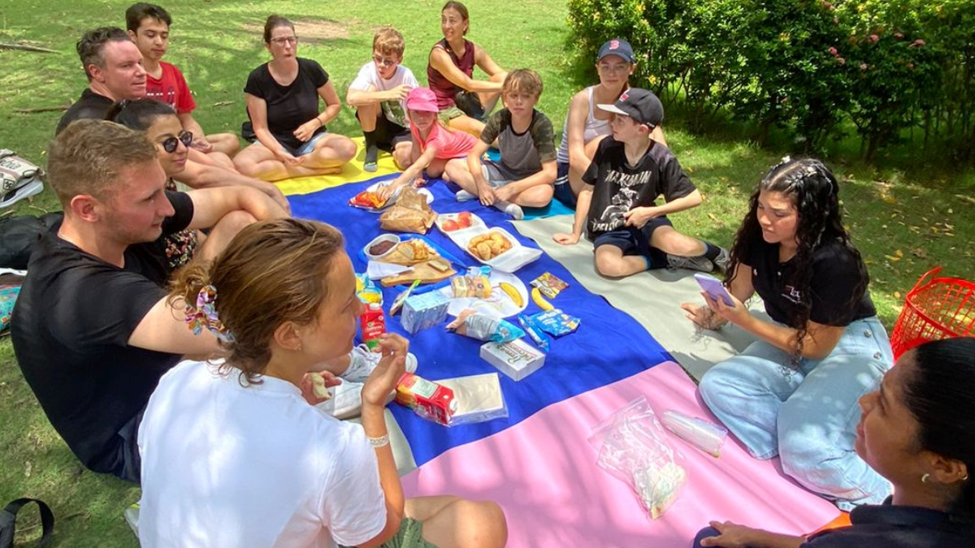 ECOS Spanish teachers using communicative methodology with international students in Cartagena
Teachers who don't just teach, they transform
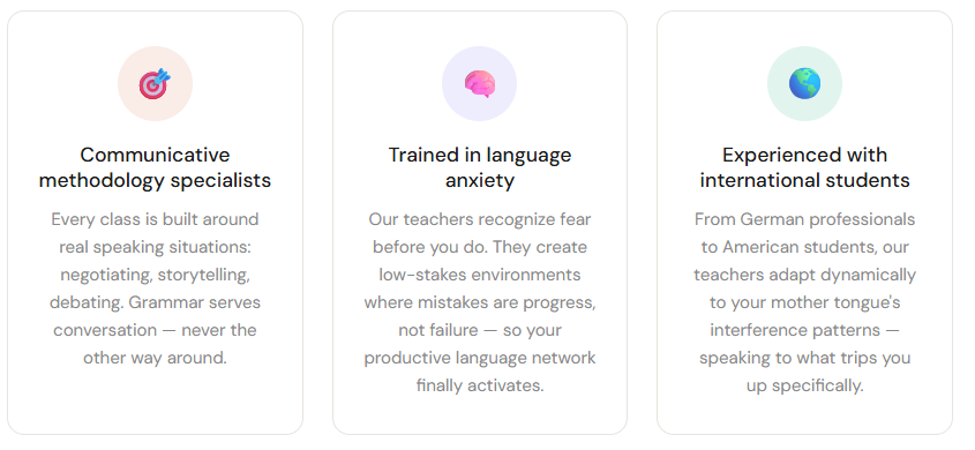
The difference you feel at ECOS starts with the people at the front of the room. Our teachers aren't just linguists. They are trained communicative specialists who understand exactly why you freeze — and know precisely how to unfreeze you.
Cartagena as your classroom
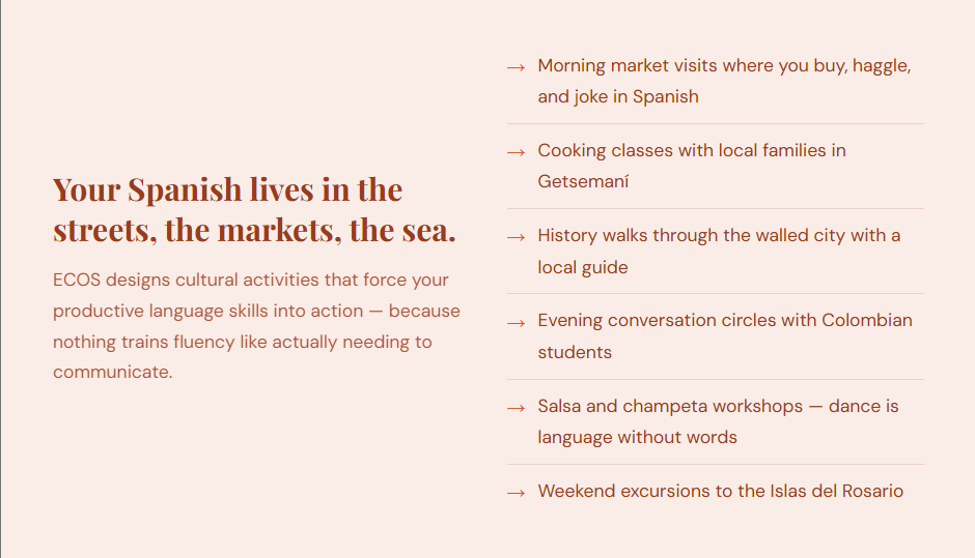
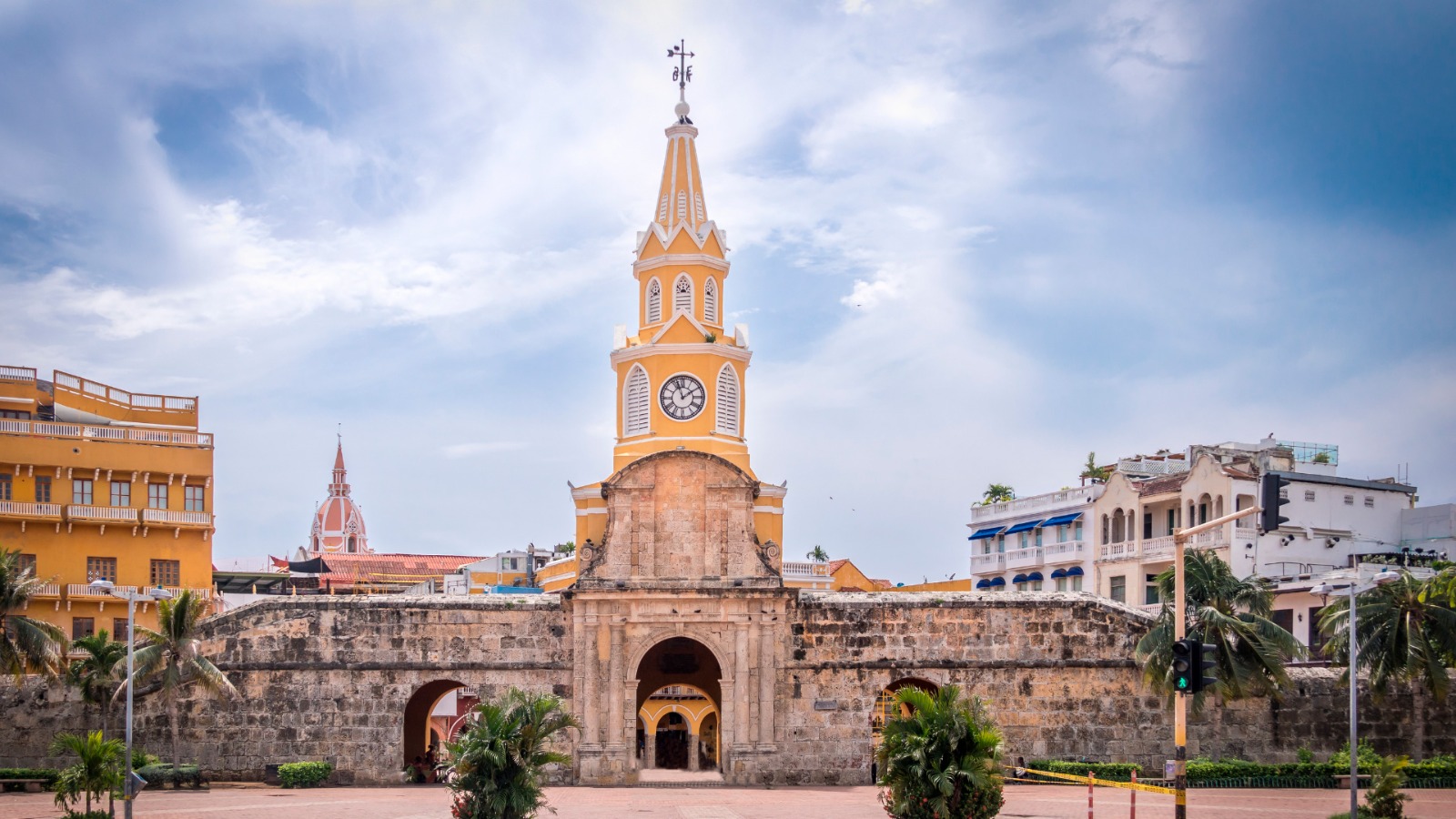
Academic immersion doesn't end at the classroom door. At ECOS, the walled city of Cartagena is part of the curriculum.
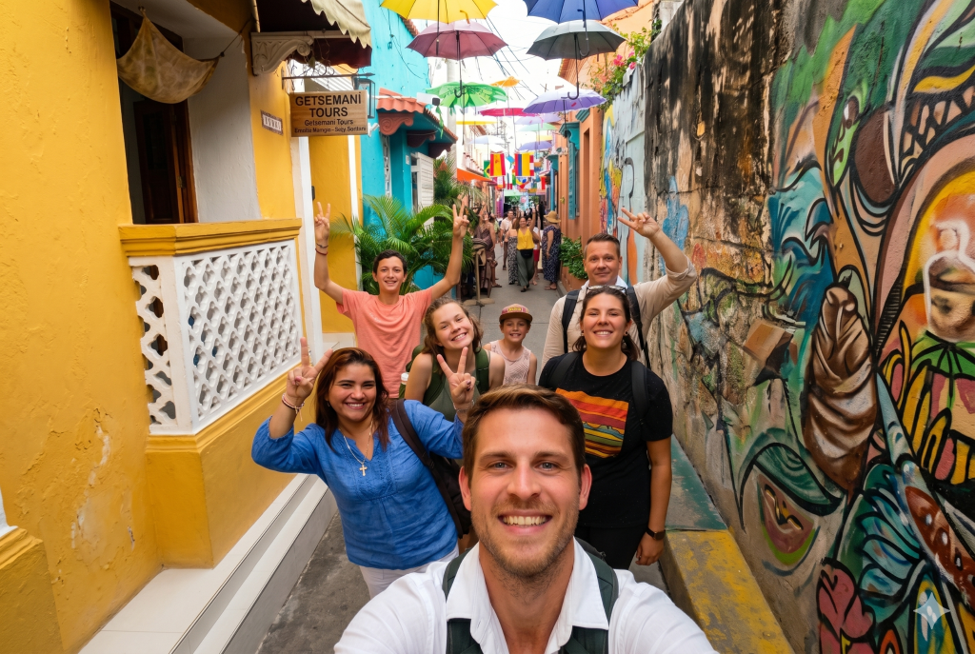
Students immersed in Spanish during cultural walk in Getsemaní neighborhood, Cartagena de Indias
What real students say?
The transformation is not magic. It's method. It's environment. It's teachers who know what they're doing — and a city that makes you want to talk.
Your transformation starts in Cartagena
You've been passive long enough. The Spanish is already inside you — it has been for years. What you've never had is the right environment to unleash it: a structured immersion, expert teachers trained in communicative fluency, and a Caribbean city so alive it practically speaks to you.
This might interest you: Spanish Courses in Cartagena, Colombia
ECOS offers intensive Spanish programs from 1 to 12 weeks, with morning academic sessions and afternoon cultural immersion. Our programs are internationally certified — including EAQUALS certification and recognition under Germany's Bildungsurlaub program, making your time here eligible for educational leave in many European countries.
You don't have to keep watching from the sidelines of a conversation. The table in that rooftop café in Getsemaní still has a seat for you. This time, you'll have something to say.
Frequently asked questions
How long does it take to go from understanding Spanish to speaking it confidently?
Most students who arrive with solid passive comprehension begin speaking spontaneously within 1–2 weeks of our intensive immersion program. The speed depends on your starting level and engagement with cultural activities — but the environment at ECOS accelerates this dramatically compared to classroom-only study.
Is ECOS right for me if I already have an intermediate level of Spanish?
Absolutely — in fact, this is our most common profile. Students who already understand Spanish but can't produce it fluently benefit enormously from our communicative methodology. We place you in the level that matches your active speaking ability, and push you there from day one.
What certifications does ECOS hold?
ECOS is EAQUALS-certified, one of the most rigorous international quality standards for language schools. We are also recognized under Germany's Bildungsurlaub framework, which means professionals in Germany, Austria, and Switzerland may be able to take paid educational leave to study with us. Contact us for documentation.
Is Cartagena safe for international students?
Yes. Cartagena is one of Colombia's most visited cities, with a well-developed infrastructure for international visitors. ECOS provides a full orientation upon arrival, accommodation recommendations in safe neighborhoods, and maintains close contact with local authorities. Our students from Switzerland, Germany, the US, and across Europe feel safe and supported throughout their stay.
Do I need to arrange accommodation separately?
ECOS can assist with accommodation arrangements, including homestay options with local Colombian families — the most immersive choice — as well as partner hostels and apartments in the historic center. Living with a local family means Spanish practice doesn't stop when class ends.
What makes ECOS different from other Spanish schools in Cartagena?
Three things: our teachers are trained specifically in communicative methodology and language anxiety; our cultural program is fully integrated into the academic curriculum (not optional extras); and our international certifications give your study here real professional weight. We don't sell a language course. We sell a transformation.
Comments 0
Sé el primero en comentar este artículo.
Leave a comment